0

Rise Studio

Rise Studio Blog

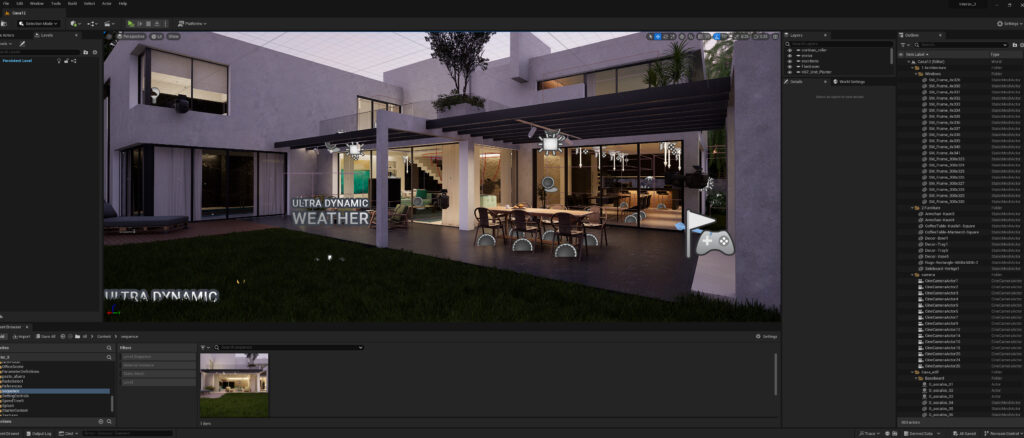
Real time architectural visualization created with Unreal Engin

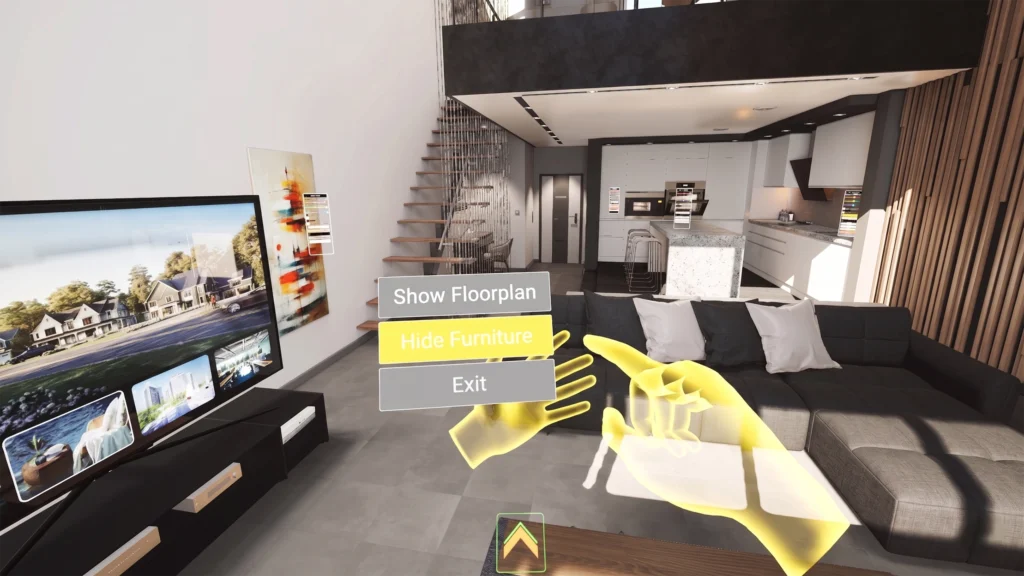
 Next-Gen Interactive ArchViz | UE5 + Meta Interaction SDK Demo

Virtual Reality

Here are some of the benefits of interactive real-time architecture

Immersive experiences

Users can explore and navigate through virtual spaces, gaining a better sense of scale, proportion, and spatial relationships.

Real-time Design Evaluation

Quick and iterative design changes, allowing for better decision-making and refinement of the architectural elements.

Design Simulation

Architects can simulate various environmental conditions, such as lighting, acoustics, and material finishes, in a virtual environment.
Expanded Features

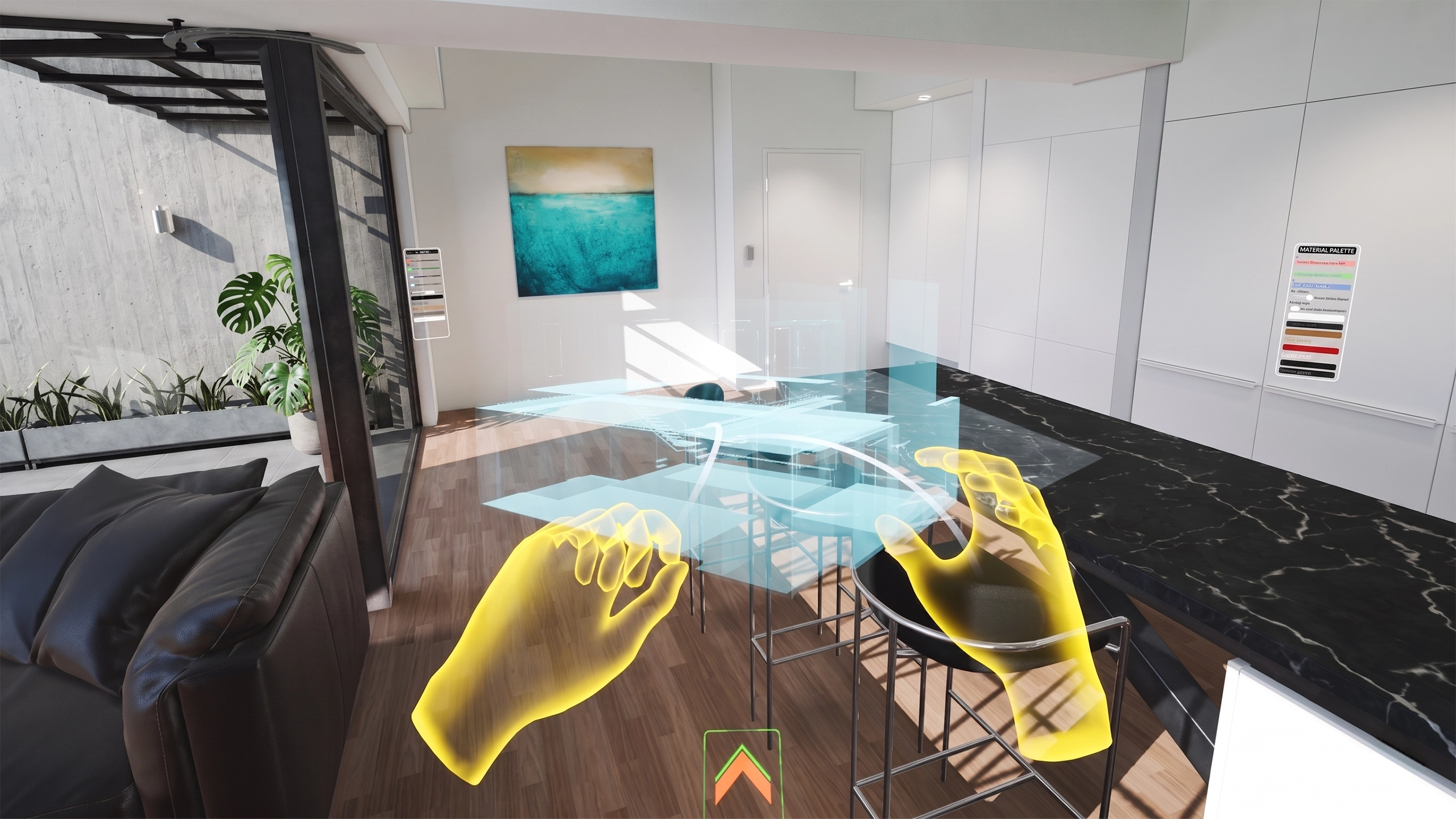
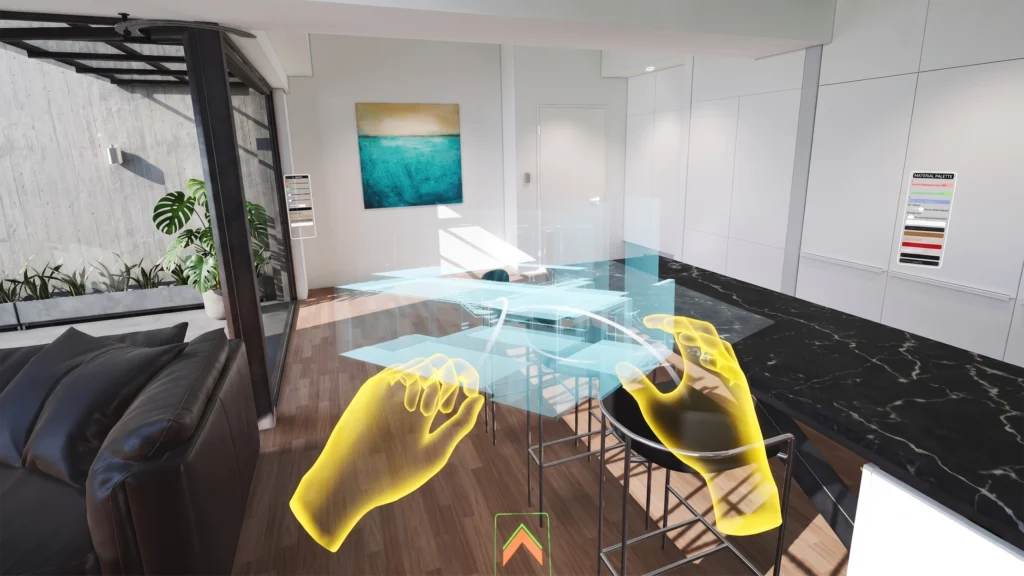
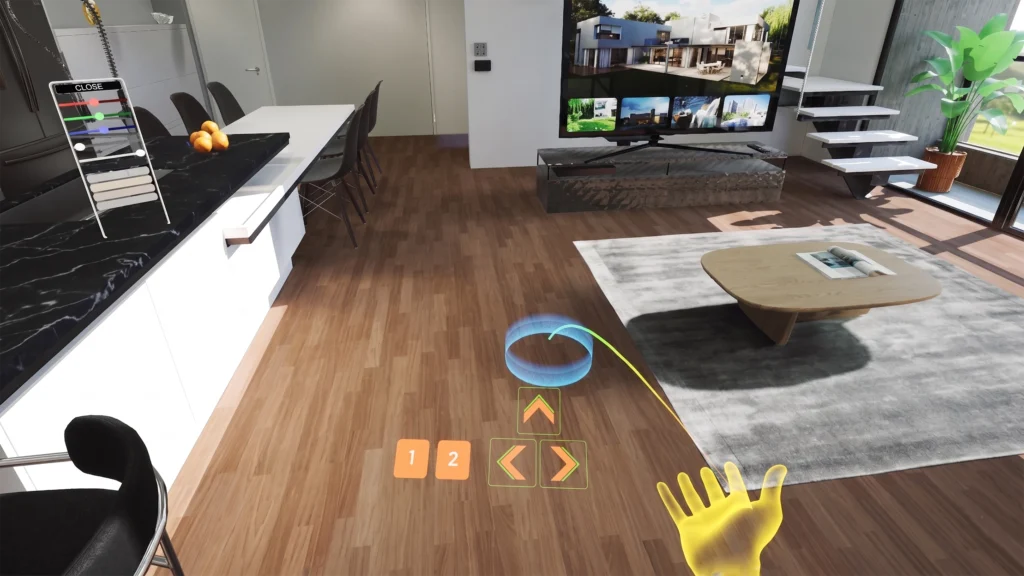
Natural Hand Tracking

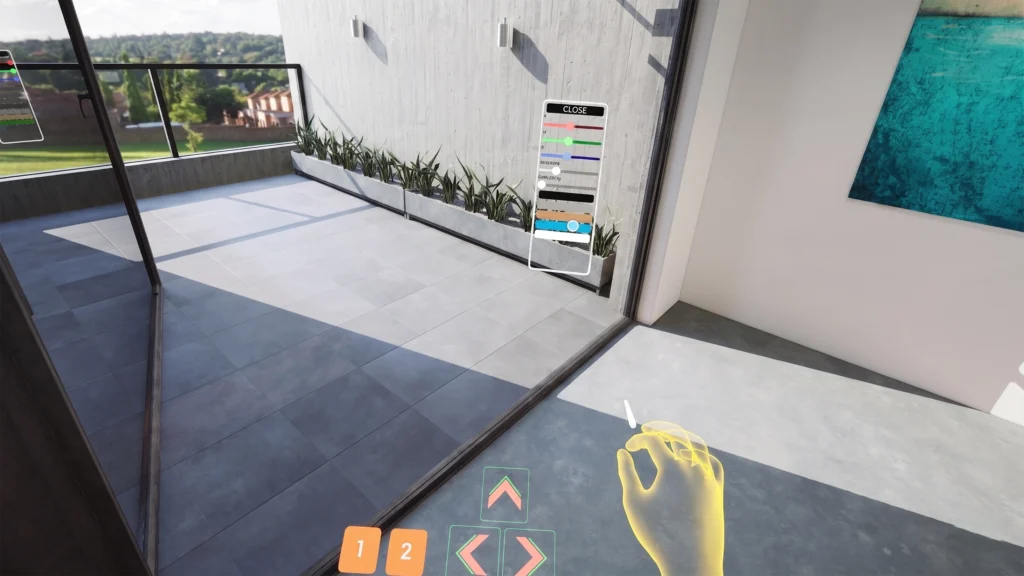
Interact with the environment using your hands—no controllers required.

Interactive Spatial UI

Navigate through custom 2D panels and menus distributed in the virtual space.

Physics-Based Interaction

Open doors, move furniture, and feel the scale with realistic object manipulation.

High-End Performance

Optimized for NVIDIA RTX series to ensure a smooth, immersive 90 FPS experience.
Virtual Reality Features

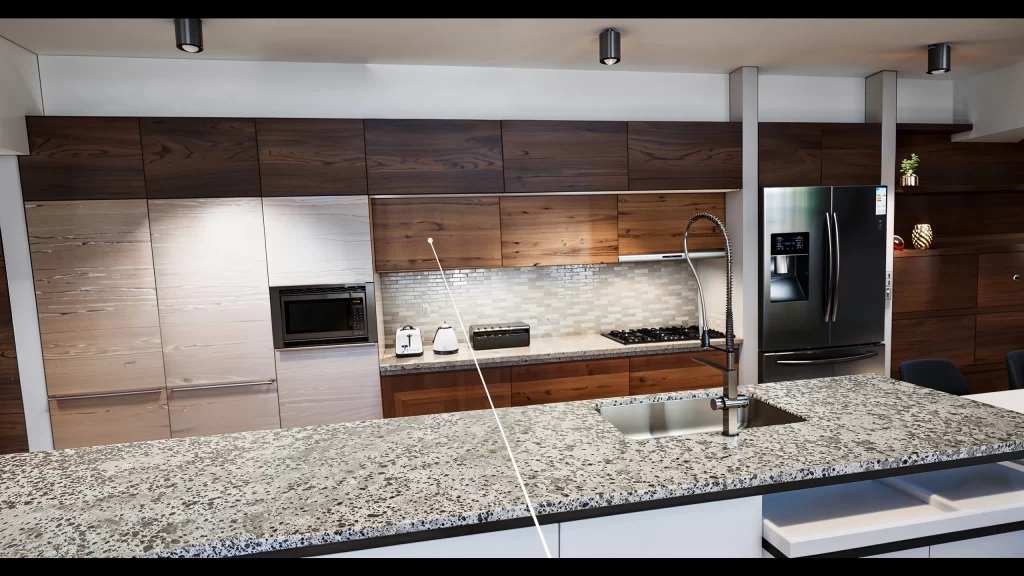
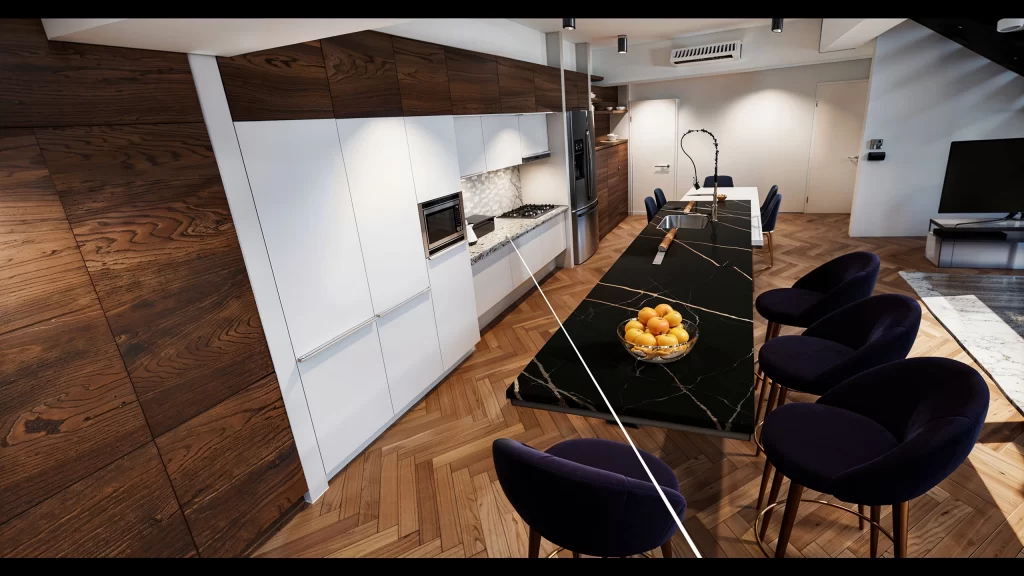
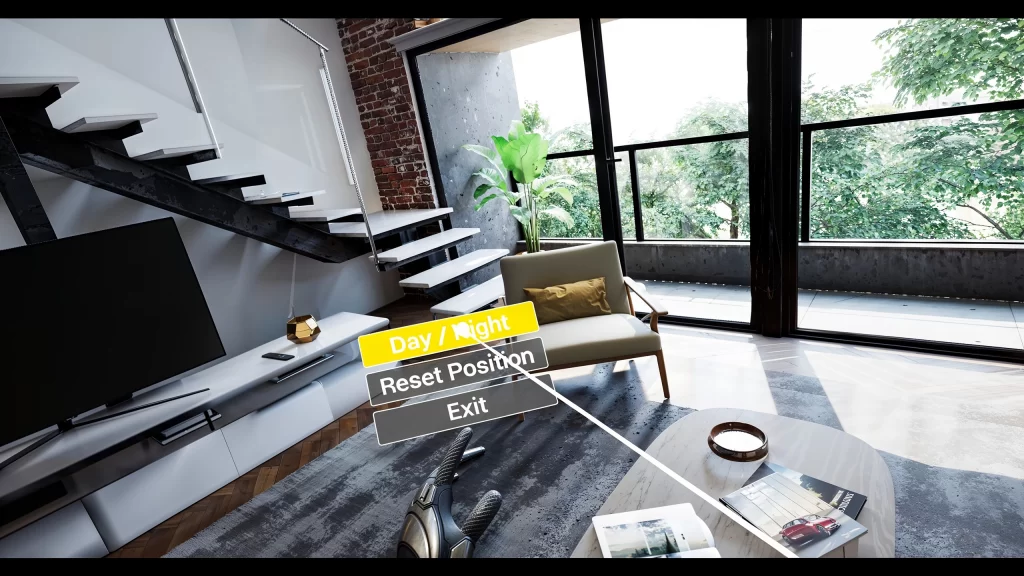
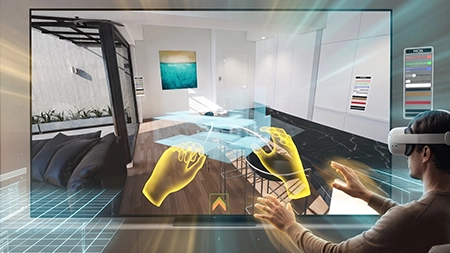
Precision Raycasting

Interact with menus, objects, or surfaces from a distance with high-precision rays.

Audio & Haptic Feedback

Spatial audio and vibration feedback that reacts in real-time to your interactions.

Microgesture Controls

Perform actions by simply pinching your fingers without needing sweeping movements.

Seamless Multimodal

Instantly transition between physical controllers and your bare hands without pauses.

3D Camera Tracking

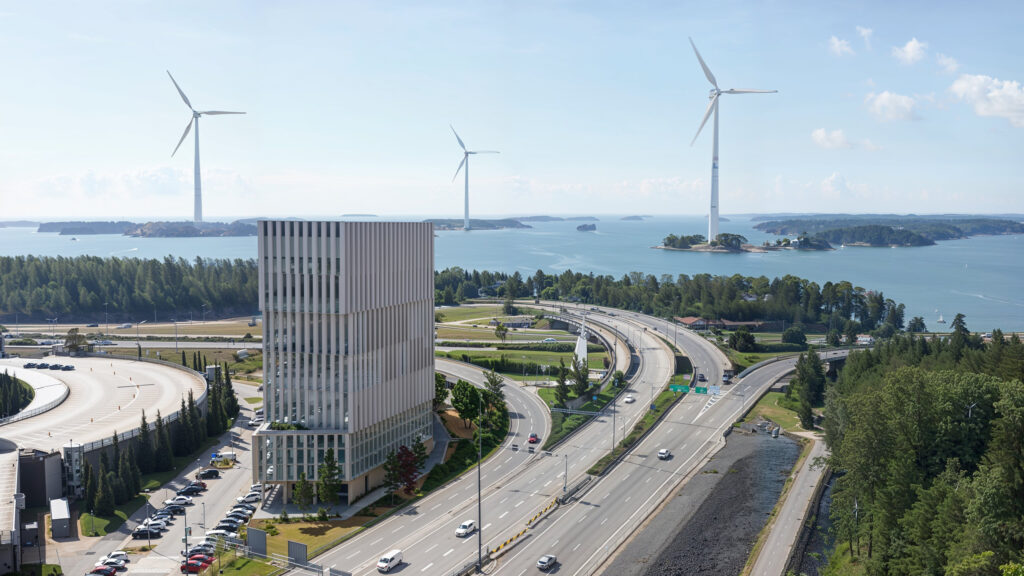
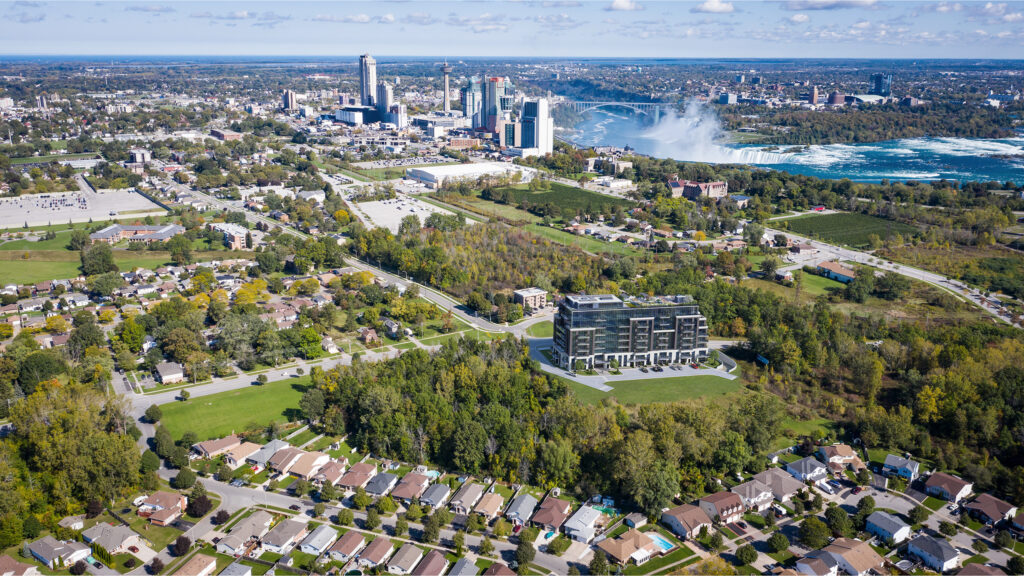
Matchmoving, also known as 3D camera tracking and compositing, involves analyzing video sequences to extract camera motion and 3D scene data. This process enables the correct compositing of 3D elements onto 2D footage. Architects and designers leverage 3D camera tracking to provide clients with realistic visualizations of their projects within real-world environments.

REAL TIME ARCHITECTURAL VISUALIZATION

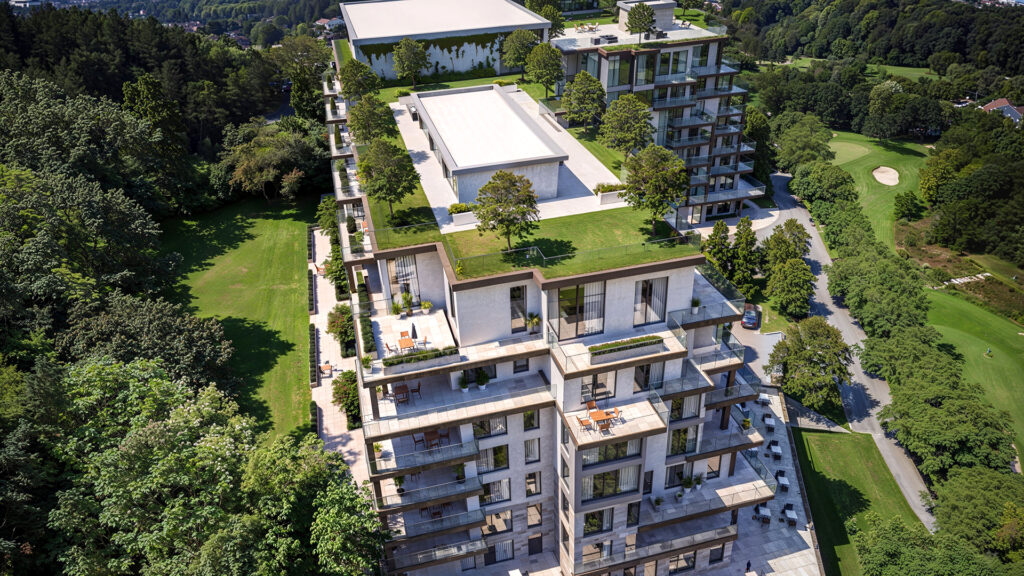
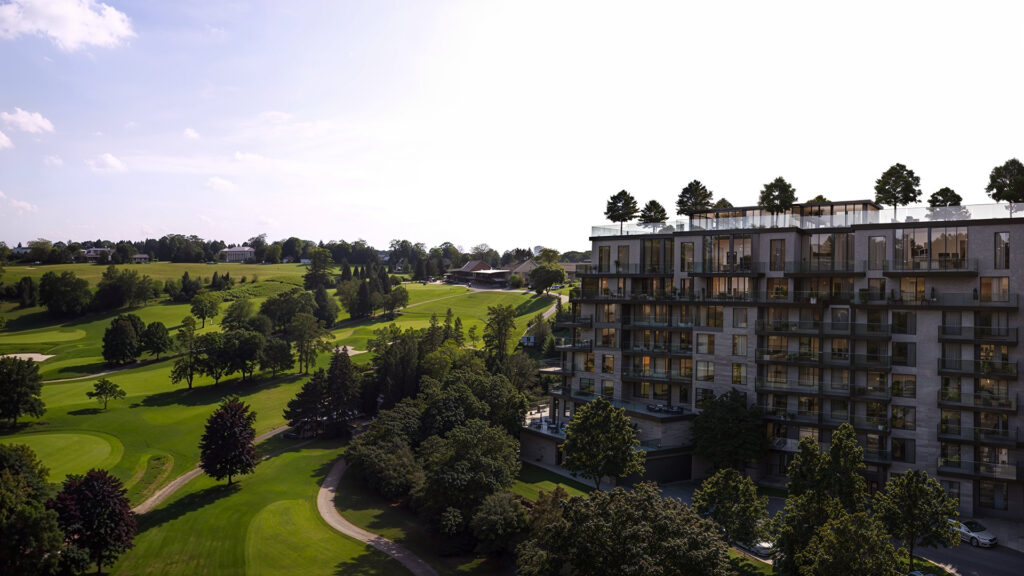
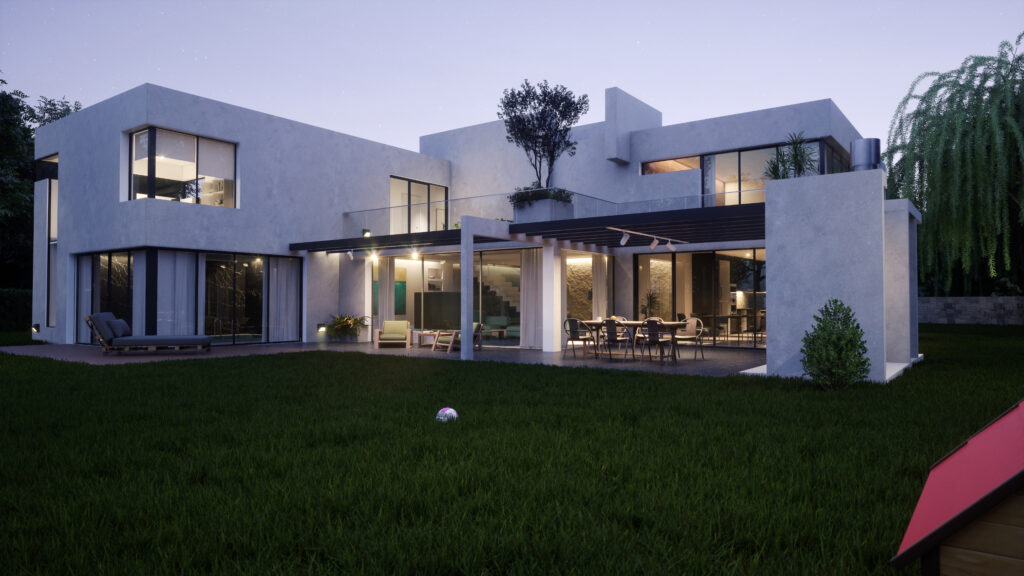
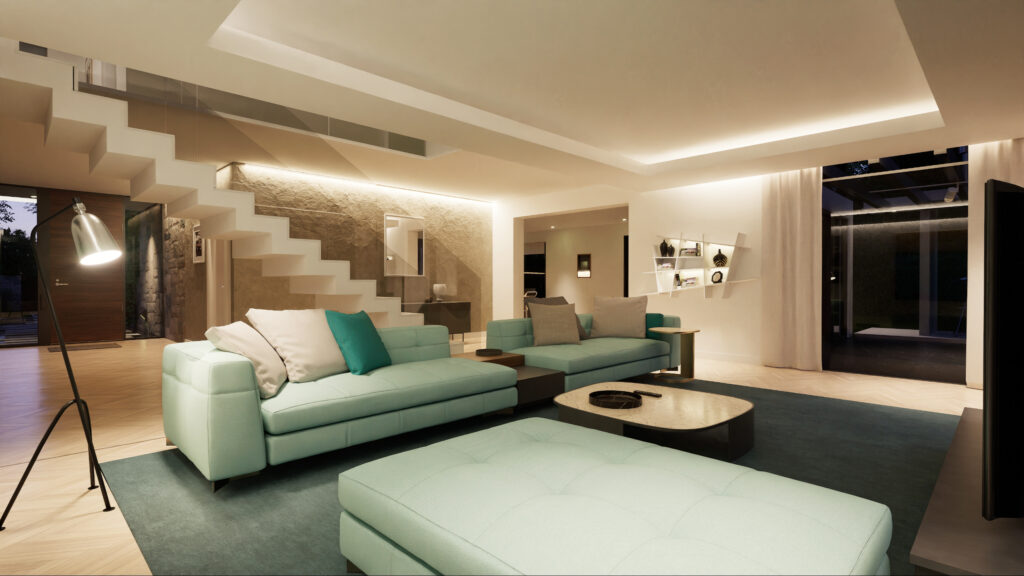
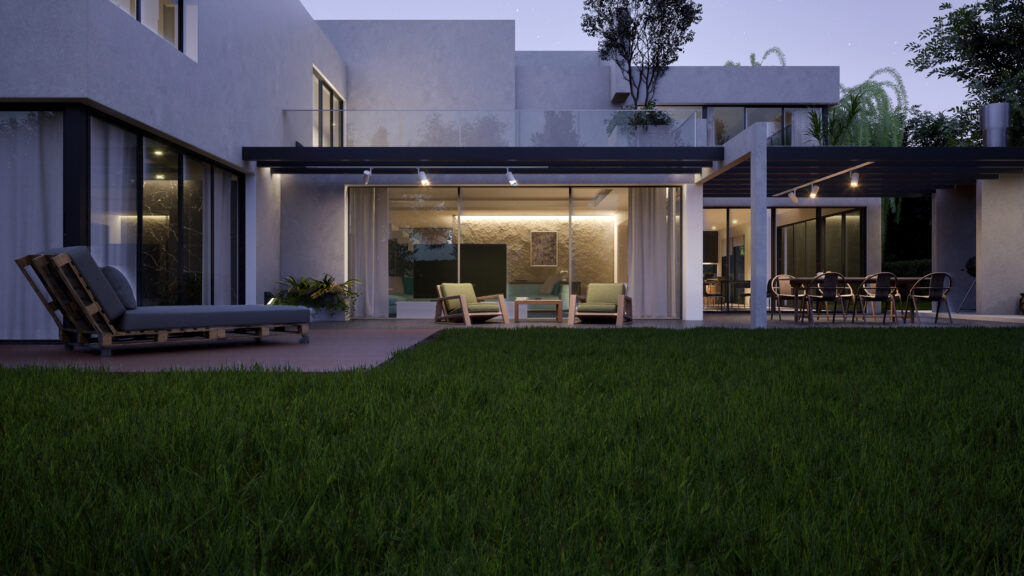
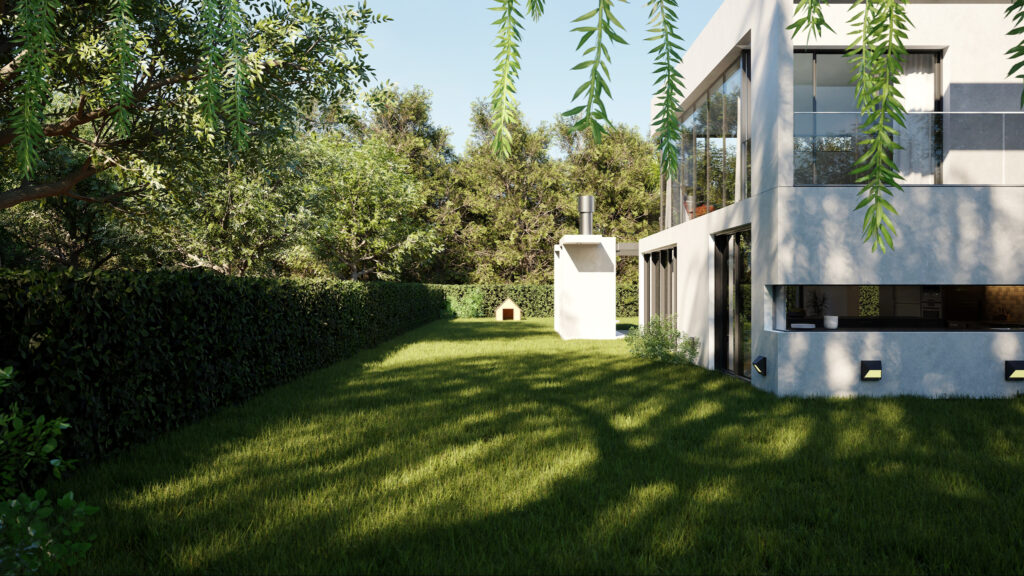
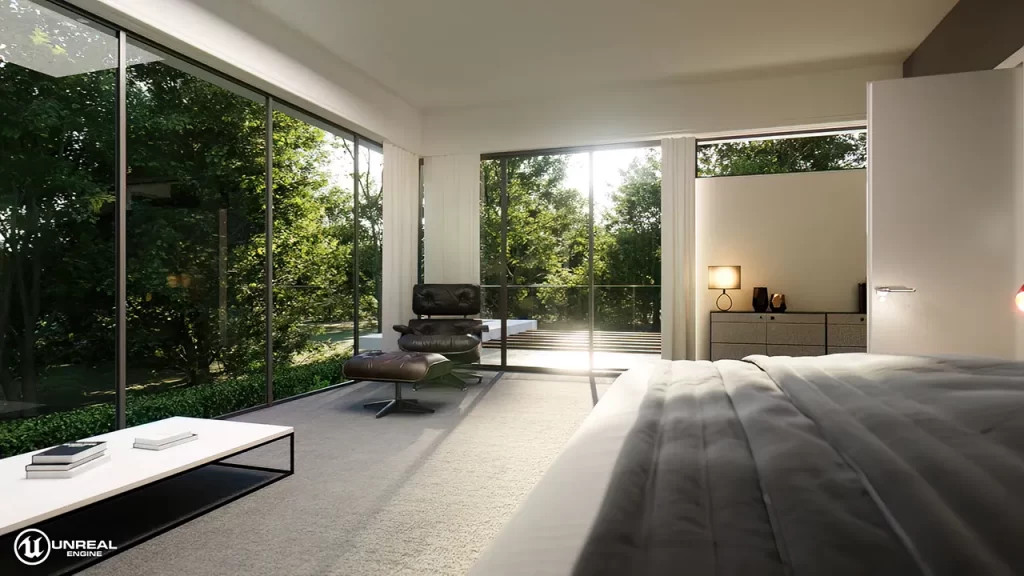
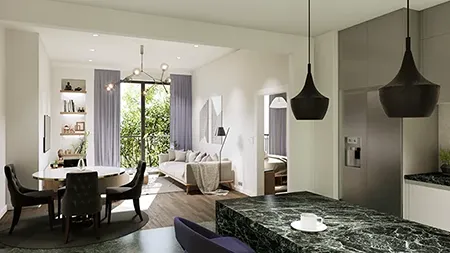
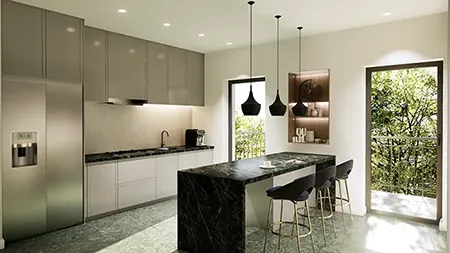
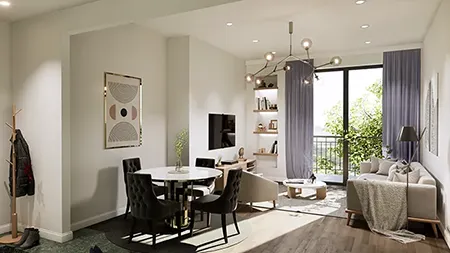
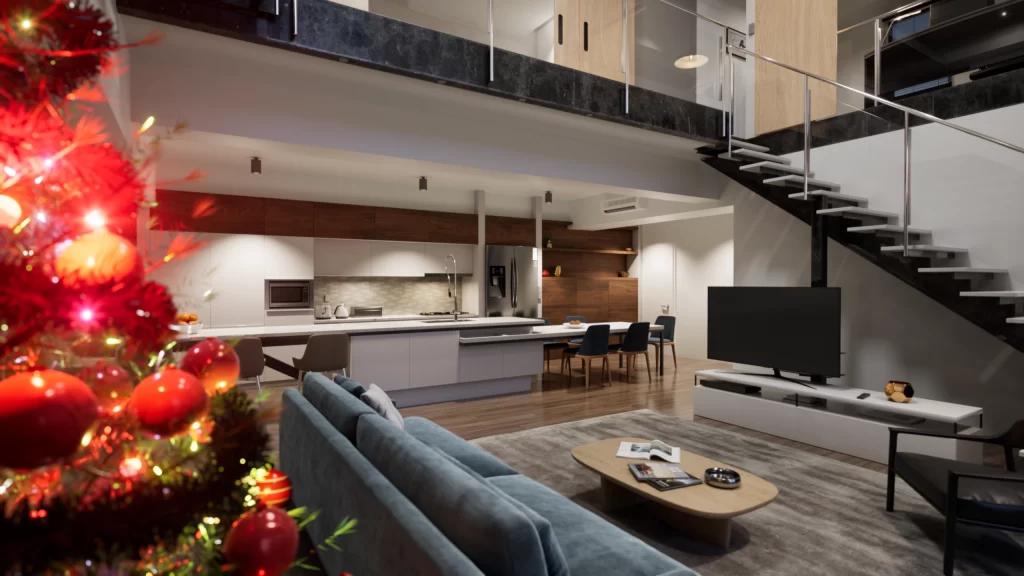
Architects, designers, and clients can explore and experience architectural spaces before they are built, providing a more immersive and interactive way to visualize projects. Real-time architectural visualization applications provide a transformative way to present and experience architectural designs, contributing to more informed decision-making and enhanced communication in the design and construction process.

Immersive experiences

Real-time architecture enables users to interact with virtual environments in a way that feels natural and immersive.

Increased efficiency

Quick and iterative design changes, allowing for better decision-making and refinement of the architectural elements.

Adaptive and flexible

Real-time architecture allows for adaptive and flexible designs that can be easily modified to meet changing needs or design requirement.


TRY OUT OUR PROJECTS


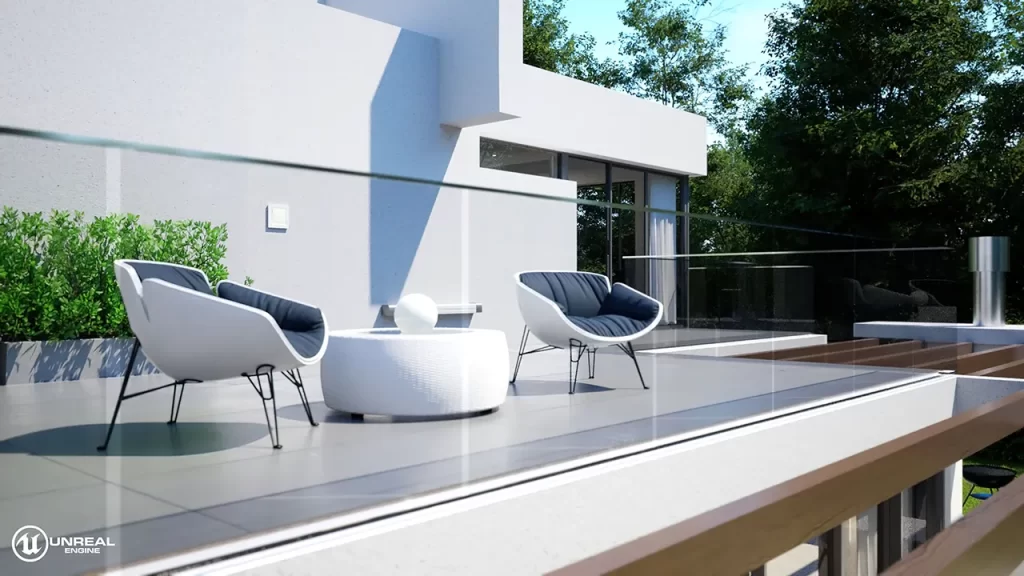
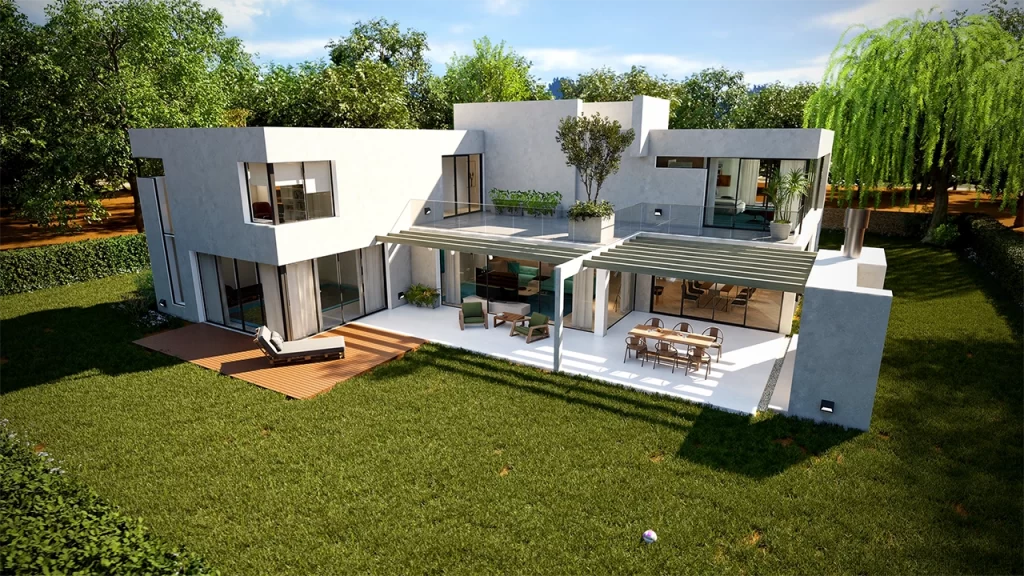
Virtual House


Project highlighted by the 80.lv Community for the 3D Metasites platform.

https://80.lv/articles/3d-metasites-by-80-lv-community-virtual-house/


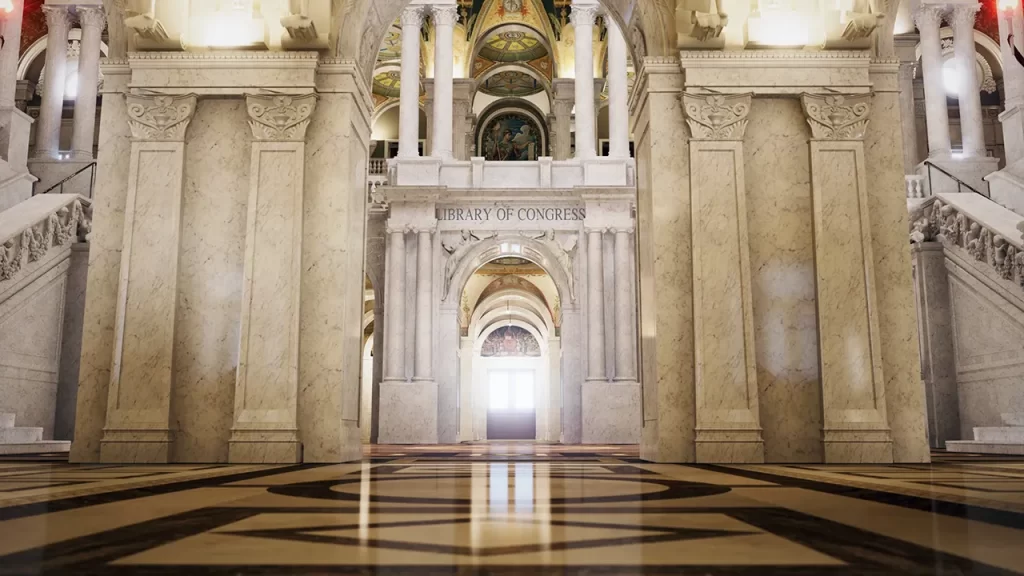
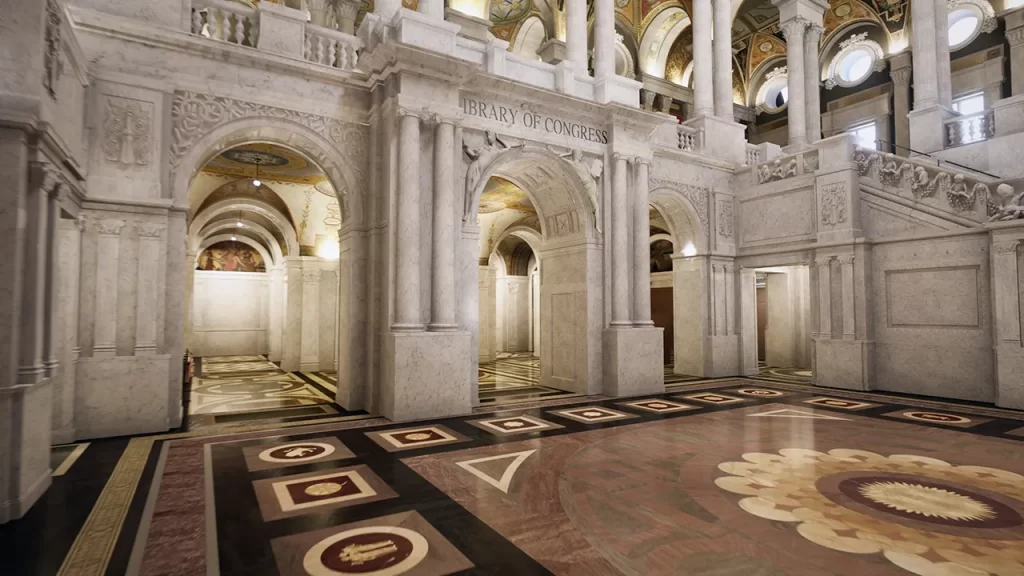
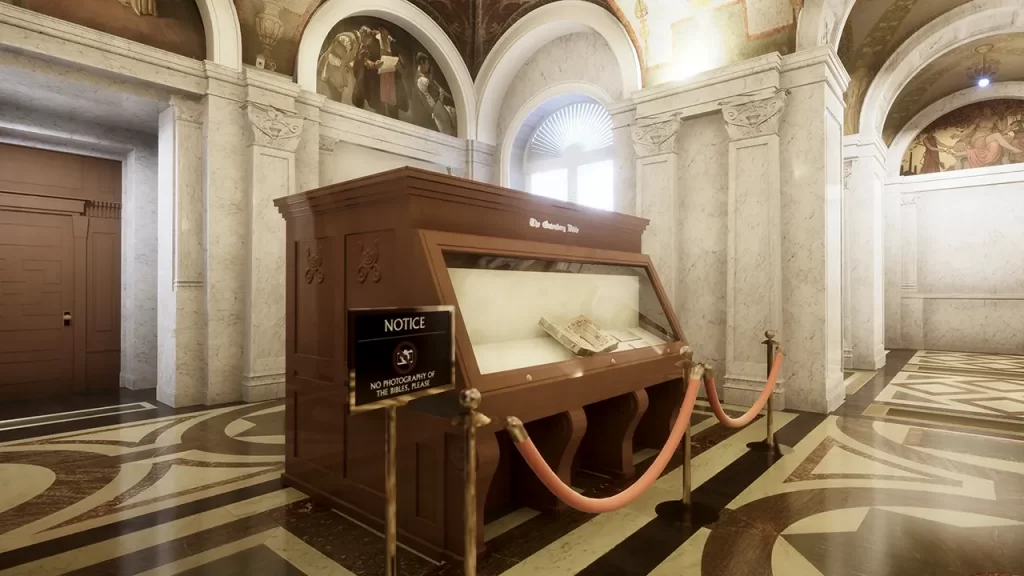
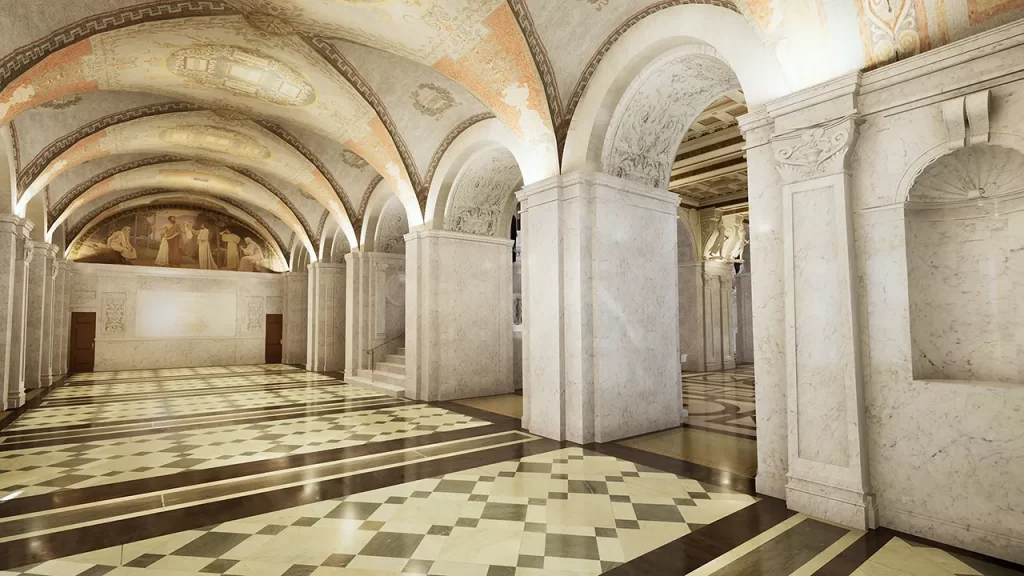
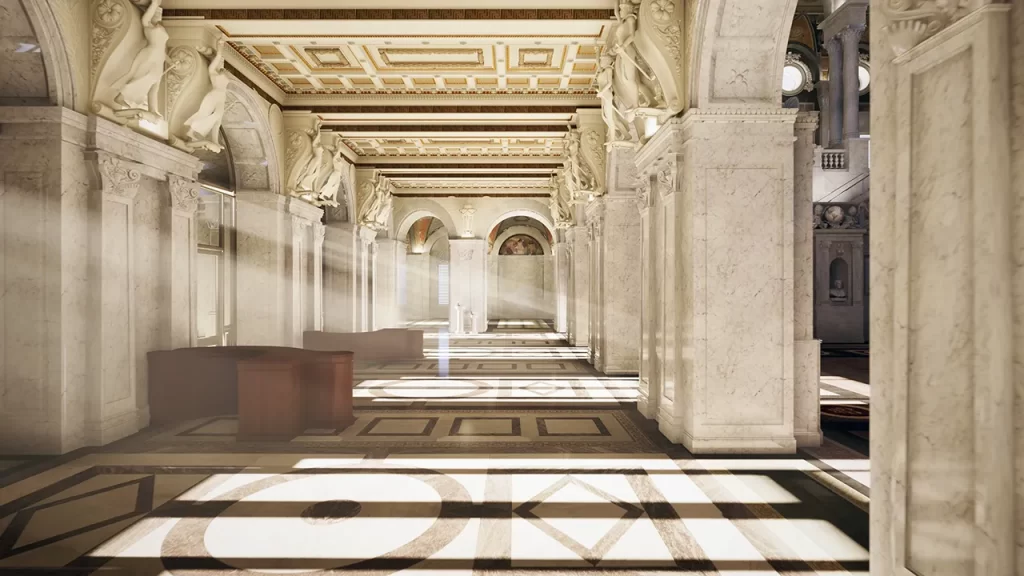
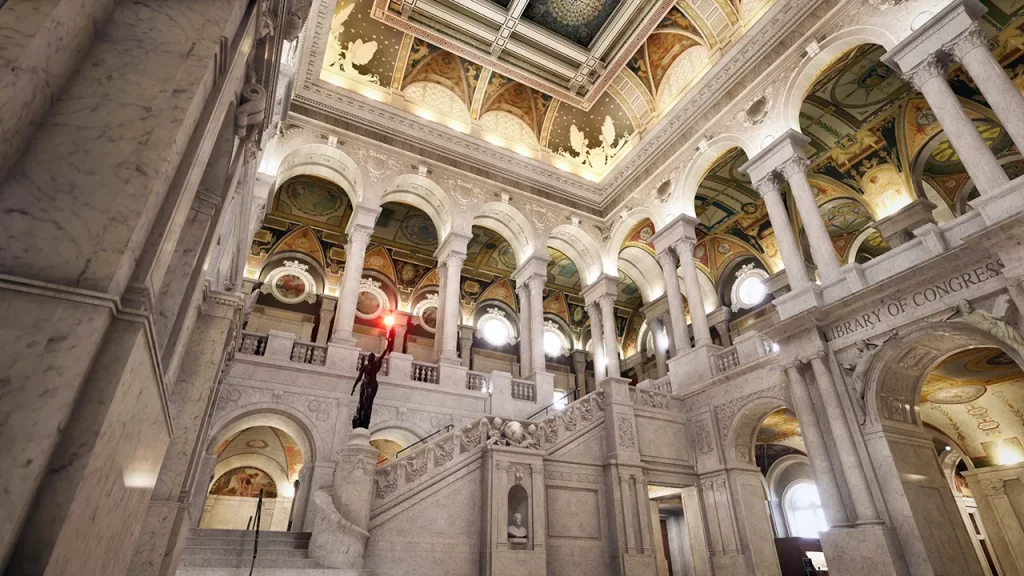
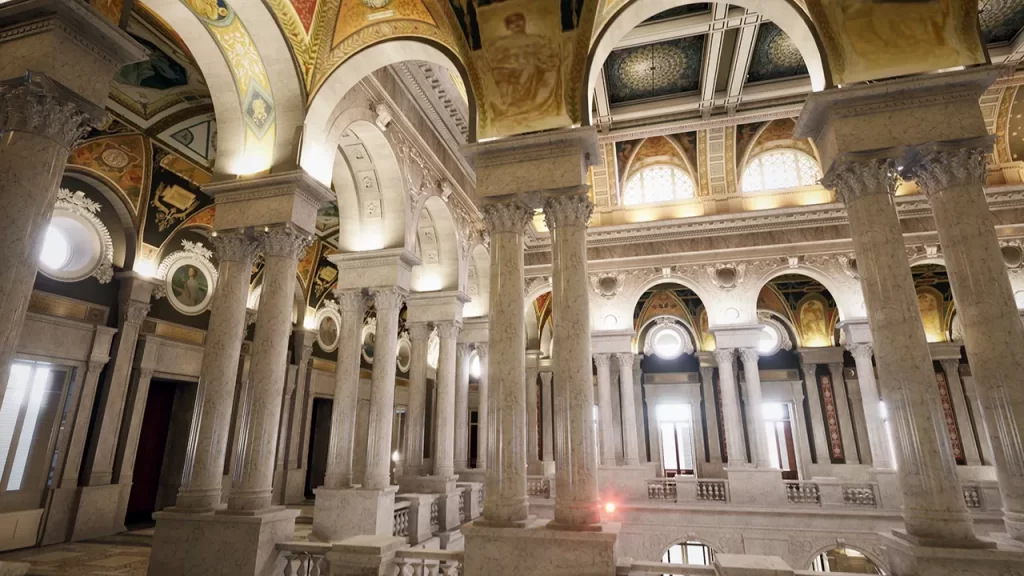
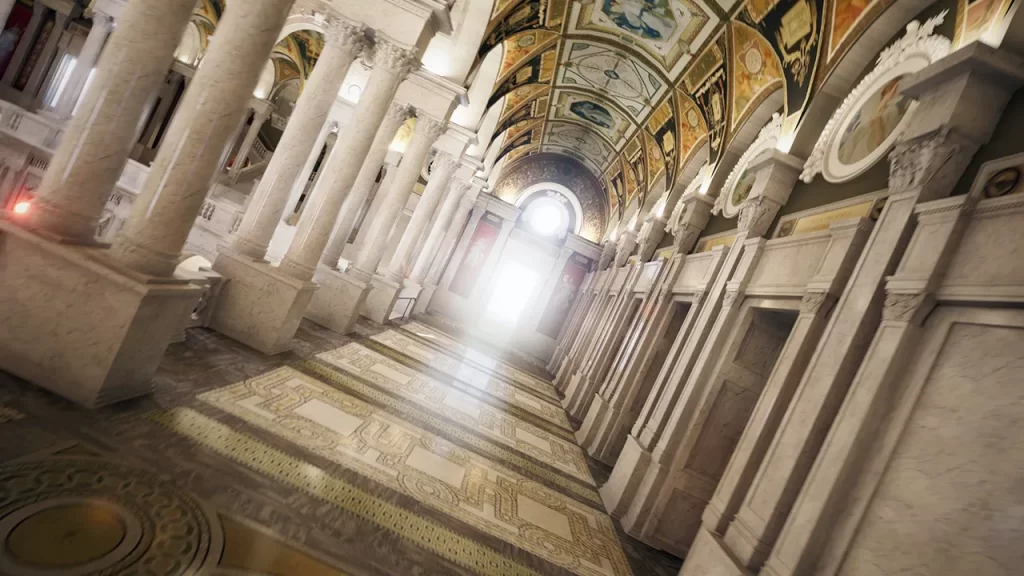
Library of Congress

Digital recreation of the Library of Congress, crafted with the cutting-edge Unreal Engine. Bring to life the rich history and cultural significance of one of the world’s largest libraries, capturing its architectural grandeur and scholarly atmosphere.


Project highlighted by the 80.lv Community for the 3D Metasites platform.

https://80.lv/articles/3d-metasites-by-80-lv-community-library-of-congress/


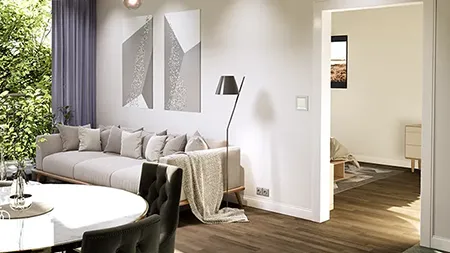
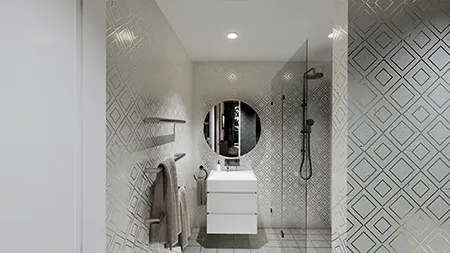
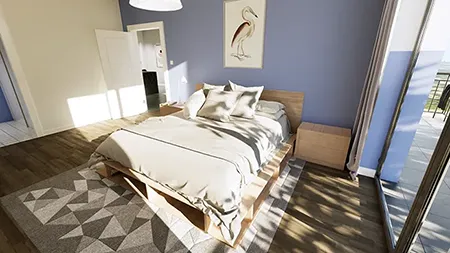
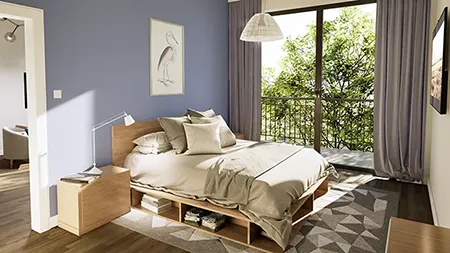
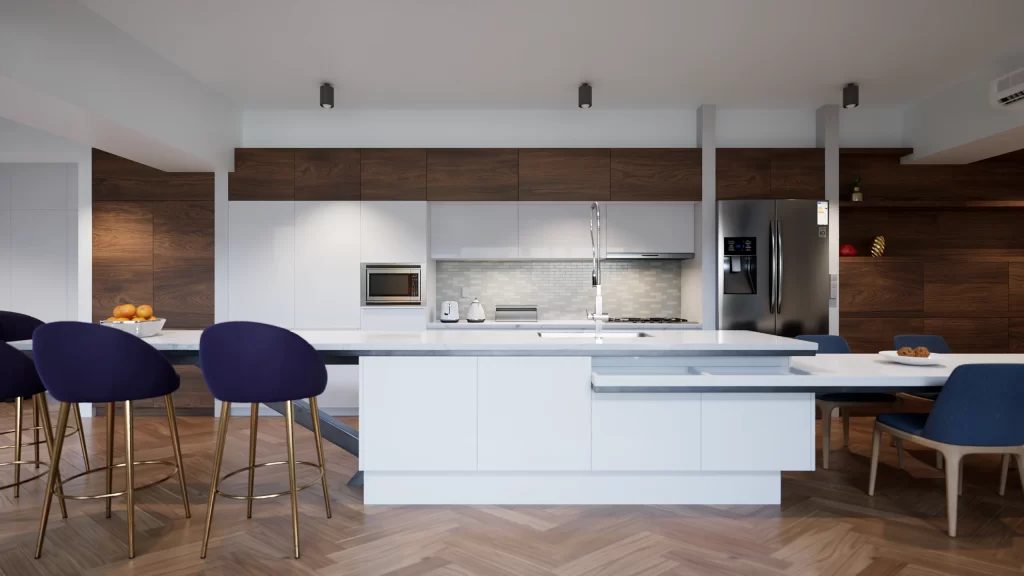
3D Apartment


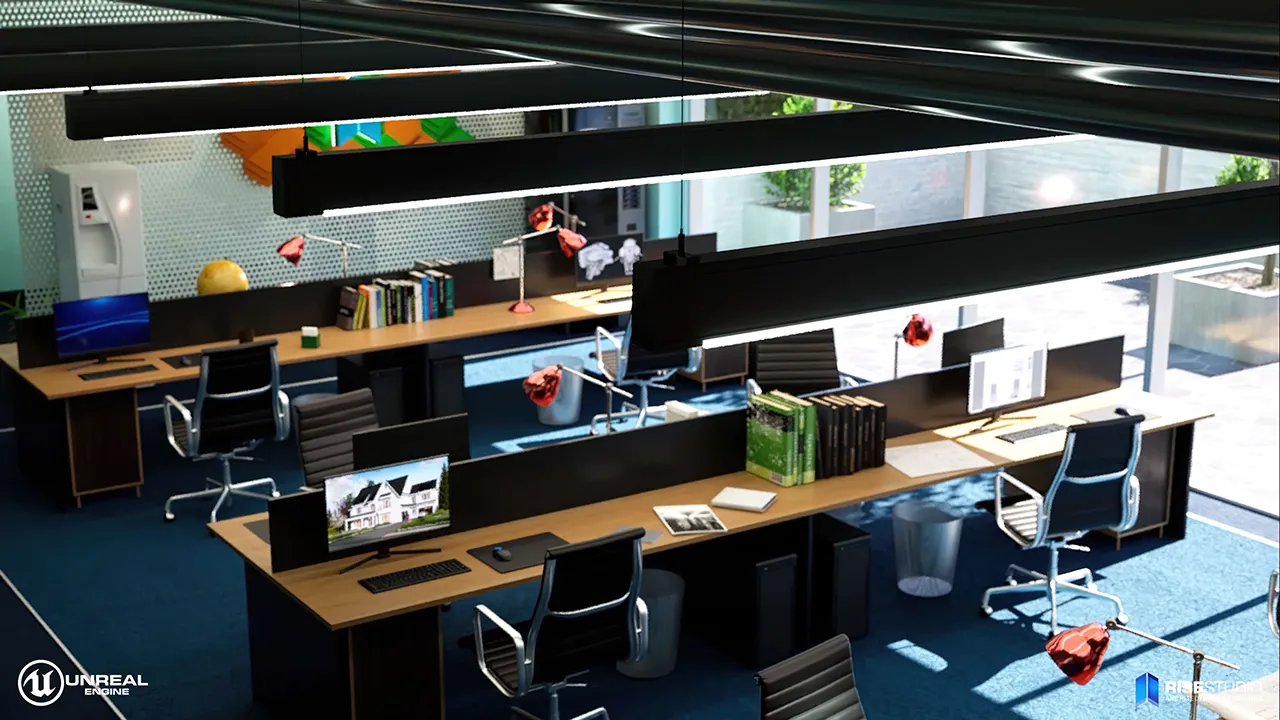
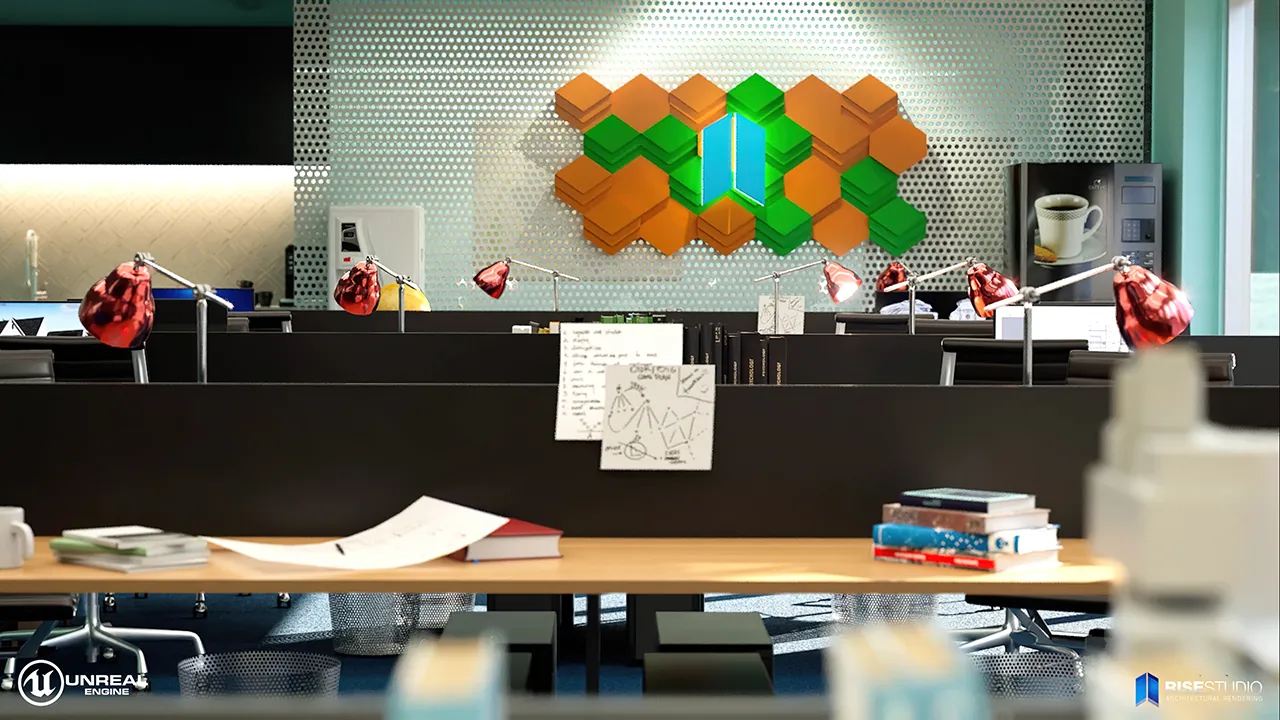
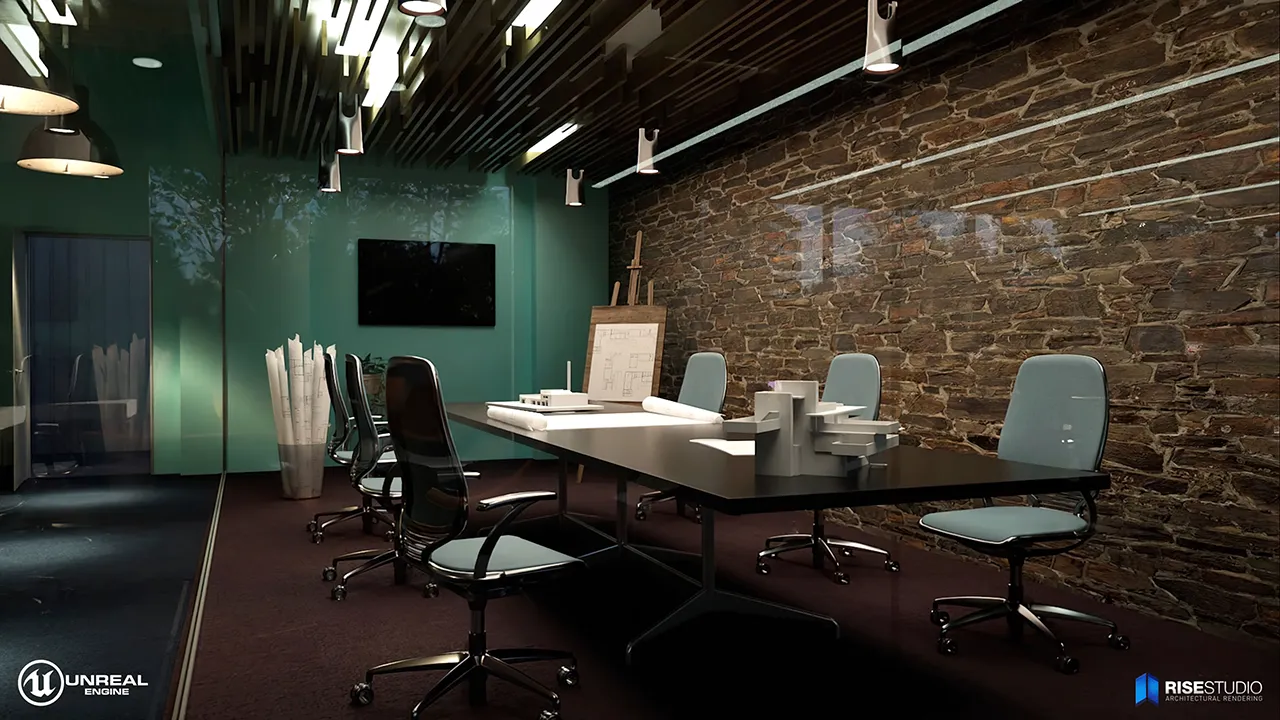
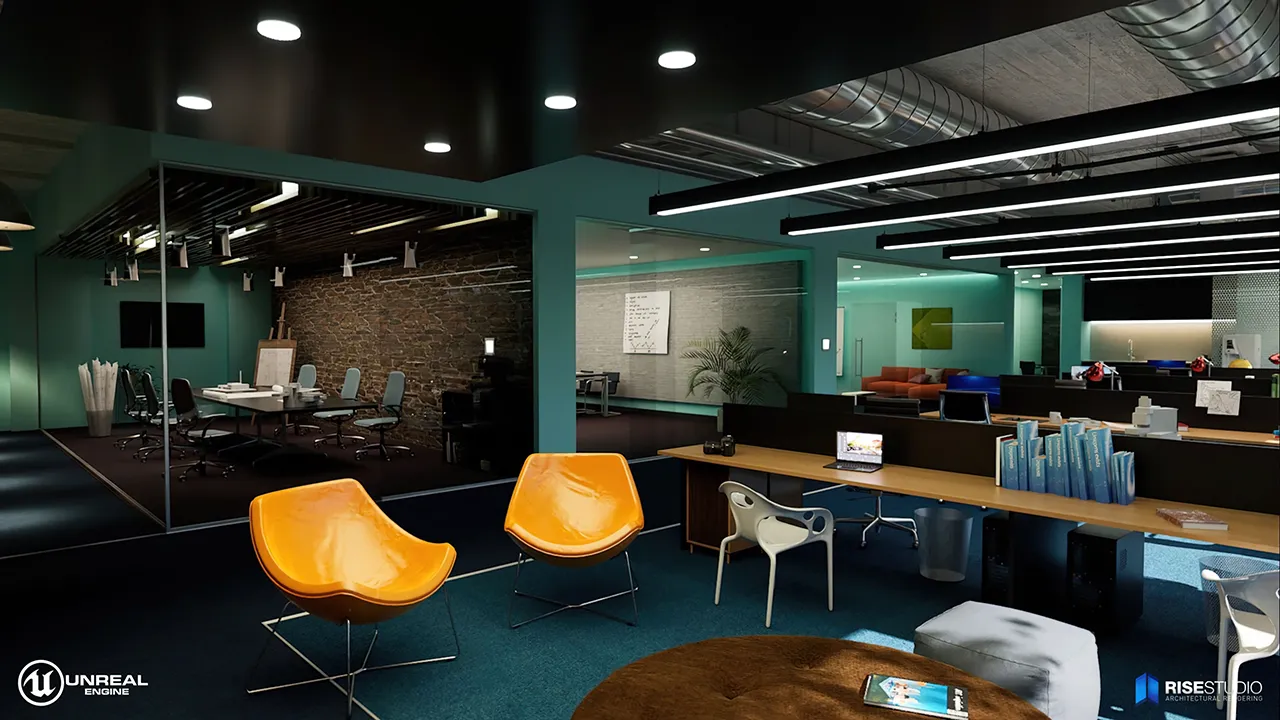
3D Office


VIRTUAL REALITY

Explore and navigate virtual spaces, rapid and iterative layout changes, simulate various environmental conditions.

High-quality graphics and realistic rendering are crucial for a compelling VR experience. The application leverages advanced graphics technology to provide detailed textures, lighting effects, and smooth animations. Also includes 3D models and objects that users can interact with. These objects can be manipulated or used to perform specific actions within the virtual space.
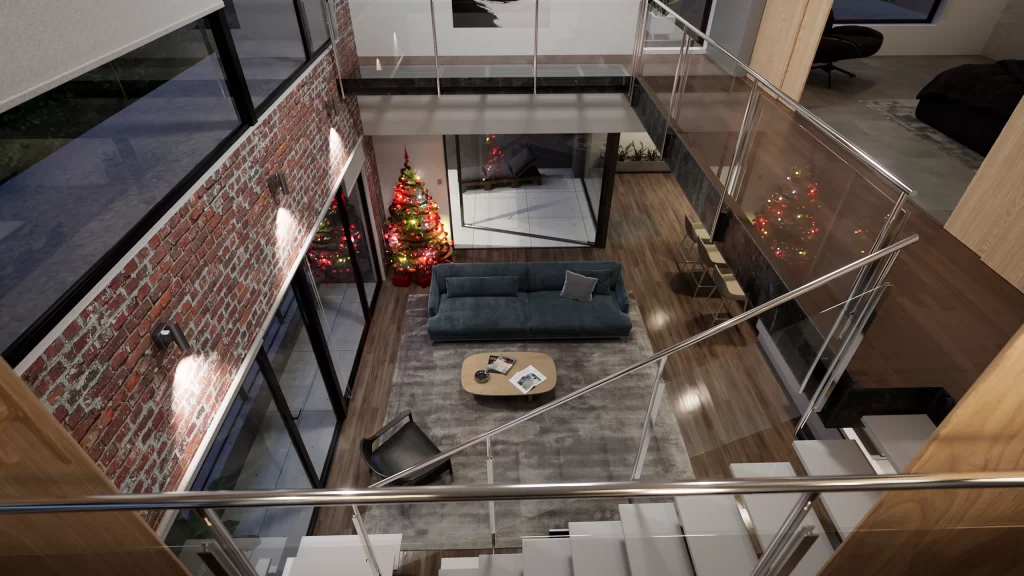
Immersive experiences

Users can explore and navigate through virtual spaces, gaining a better sense of scale, proportion, and spatial relationships.

Real-time Design Evaluation

Quick and iterative design changes, allowing for better decision-making and refinement of the architectural elements.

Design Simulation

Architects can simulate various environmental conditions, such as lighting, acoustics, and material finishes, in a virtual environment.